
Indoor Activities Kids and Parents Can Enjoy at Home

Kindergarten Kiosk believes that kids learn through engagement, integration, imagination and home-family connections. Check out the products and read the blog for classroom tips, advice and entertainment!
Activities For Parents and Preschoolers
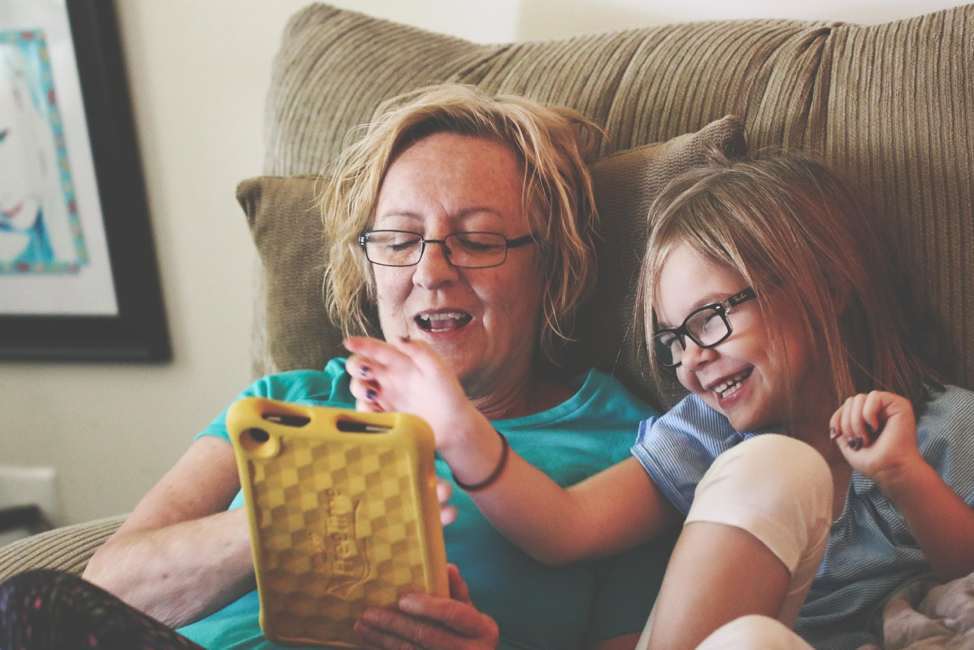
Kids seem to have boundless energy and almost never get tired, even after a long day of playing outside. But when you’re stuck at home and enduring a cold snap, you’re probably stressed about keeping the kids entertained while they’re cooped up. For the days when it’s too cold to go out or you simply must stay at home, there are lots of activities you can do inside.
To help keep your children entertained, it’s time to dig up some educational indoor activities that teach them about the world and nurture their creativity. And if you’re a work-from-home parent with kids still at home and all the challenges that arrangement brings on, don’t fret -- you can still spur them on to be creative in their activities and responsible for their time.
Check out these ideas from Kindergarten Kiosk.
Arts and Crafts
Some of the best indoor activities you can do with your kids involve arts and crafts. Your children will have a blast building a popsicle stick house or designing a playdough feast. Arts and crafts are learning in disguise, and your kids won’t even realize they’re learning about engineering, design, or mixing colors. Help them make a peanut butter bird feeder and learn about the birds that live in your area, or do a melting ice experiment to see how salt affects ice.
Physical Activities
Just because they can’t go outside doesn’t mean your children have to sit quietly the entire day. Mommy Poppins outlines how to keep them active with physical activities you can do in the house. Find a dance video and dance around the living room, or create a DIY laser maze in the hallway. Another great indoor activity is animal races, and you can race across the house waddling like penguins.
Reading
When it comes to quiet indoor activities, reading is at the top of every parent’s list. Reading on their own or with you helps your little one develop reading skills, and all that focusing is good for their brains. Reading can open whole new worlds, and your children can learn about the world around them as well as the world on the other side of the globe.
Make reading more fun by building a blanket fort in the bedroom or putting up a small tent in the living room. You can fill it with pillows, string up some lights, and create a magical space for your children to enjoy. They’ll be more motivated to read a new book in the quiet of the blanket fort or tent, and all the work setting it up will tire them out just enough that they’ll enjoy a quiet hour of reading.
Using a Laptop or Tablet
Once you’ve exhausted your other options, you can turn to educational programming. Purchasing a laptop or tablet will provide an easy way to keep your children entertained and help them learn through shows that cater to their age and learning level. Common Sense Media notes that some of the best shows help your kids learn cooperation, phonics, cooking skills, history, science, and more.
You can find affordable laptops online that work great for kids and parents. However, make sure you have an internet connection with enough bandwidth to keep up. Many people choose packages designed for gaming because of the high speeds and reliability.
When the family is stuck inside and feeling stir crazy, don’t despair! If you can’t send your children outside for several hours to burn off all their extra energy, find indoor activities to keep them entertained. Make sure you have a good balance of physical activities, group activities, and solo activities, and break up the day by switching between activities when your children get restless. With these great indoor options, your children won’t mind being inside. Find some other great ideas here.
Also available at Teachers Pay Teachers!
Product Description
Names Practice Back To School Write Names of Self and Others
Time for back to school and teaching students how to write their own names and the names of classmates and others.
Children who are in the early stages of literacy development are well served if they are familiarized with the letters that make up their own name. This will not only provide an important link between speech and print, it will help them attend to sequencing, orientation and details within the construction of a word.
The lessons of this unit will draw attention to and provide practice with writing and reading their own names and expanding the benefits gained to include the names of classmates.
Table of Contents:
Water Cap Names: Ordering letters in names and transferring knowledge.
Name Puzzles: Building familiarity with alphabet letters and their function when spelling one's own name.
Name Cheer: (A variation of Name Puzzles): Identifying and sequencing the letters in names.
Shave a Name: Using correct handwriting technique to write names.
Rainbow Names: Spelling and writing names.
The "Nameapillar": Ordering letters in names.
Trace A Name: Tracing names using correct letter formation.
Name Fishing: Reading the names of classmates, then sorting according to beginning capital letter.
Name Dictionary: Alphabetizing classmates' names.
Names: A Guided Reading Book
Name Fun: Ten Additional Name Conquering Ideas
Name Game: Studying names of classmates
Name Chart: Studying names in a Morning Meeting routine
Mosaic Names: Spelling and writing names
Name Necklace: Spelling name
Spell-a-Name: Spelling own name and names of others.
Friend of the Day: Building Community through names
© Kindergarten Kiosk
Related Products
Back to School Themed Writing Activities
Back to School Sight Word Readers
Back to School Student Information Forms FREE
Chrysanthemum Names Thematic Unit
Follow For Updates and Freebies!
Be alerted as products are updated and/or added to. Get Special Freebies.

Also available at Teachers Pay Teachers!
Build strength for academic content by developing crucial oral language skills.
A Trip Through Space: Opposites
Beginning Middle End: Telling stories with beginning, middle and end.
Story Sequencing: Sequencing familiar tales
At the Pond: Building comprehension and active listening

Also available at Teachers Pay Teachers!
These Developmentally Appropriate Activities: Speech and Language for the Early Learner provides lessons and activities for the Common Core Standards ELA Literacy. SL.K.1-6.