
Why Is Storytelling Important in Early Childhood Education?
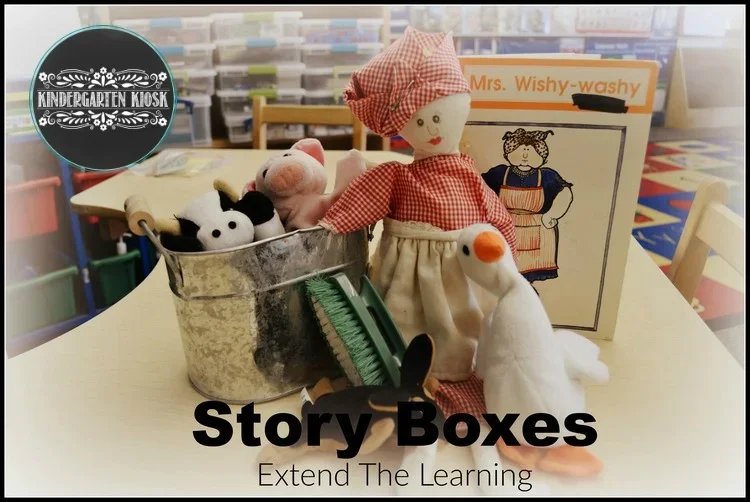
Storytelling plays a powerful role in early childhood education. It helps young children develop language skills, creativity, emotional understanding, and a love of learning. Through stories, children begin to make sense of the world around them.
Builds Language Skills
When children listen to stories, they hear new vocabulary, sentence patterns, and expressive language. This helps strengthen listening, comprehension, and communication skills. As children begin to retell stories, they also practice organizing their thoughts and expressing ideas clearly.
Encourages Imagination and Creativity
Stories invite children to imagine characters, settings, and events. This kind of imaginative thinking supports creativity and problem-solving skills, both of which are important for early learning.
Supports Social and Emotional Development
Stories help children understand emotions and relationships. By relating to characters and situations, children learn empathy, kindness, and ways to handle challenges.
Builds a Love of Reading
Regular storytelling makes books exciting and engaging for young learners. When storytime is interactive and enjoyable, children are more likely to develop a lifelong interest in reading.
Bring it into your Classroom
Storytelling is a simple but powerful tool in early childhood classrooms. It supports language development, creativity, emotional growth, and early literacy—helping build a strong foundation for future learning.
How to Make a Story Box
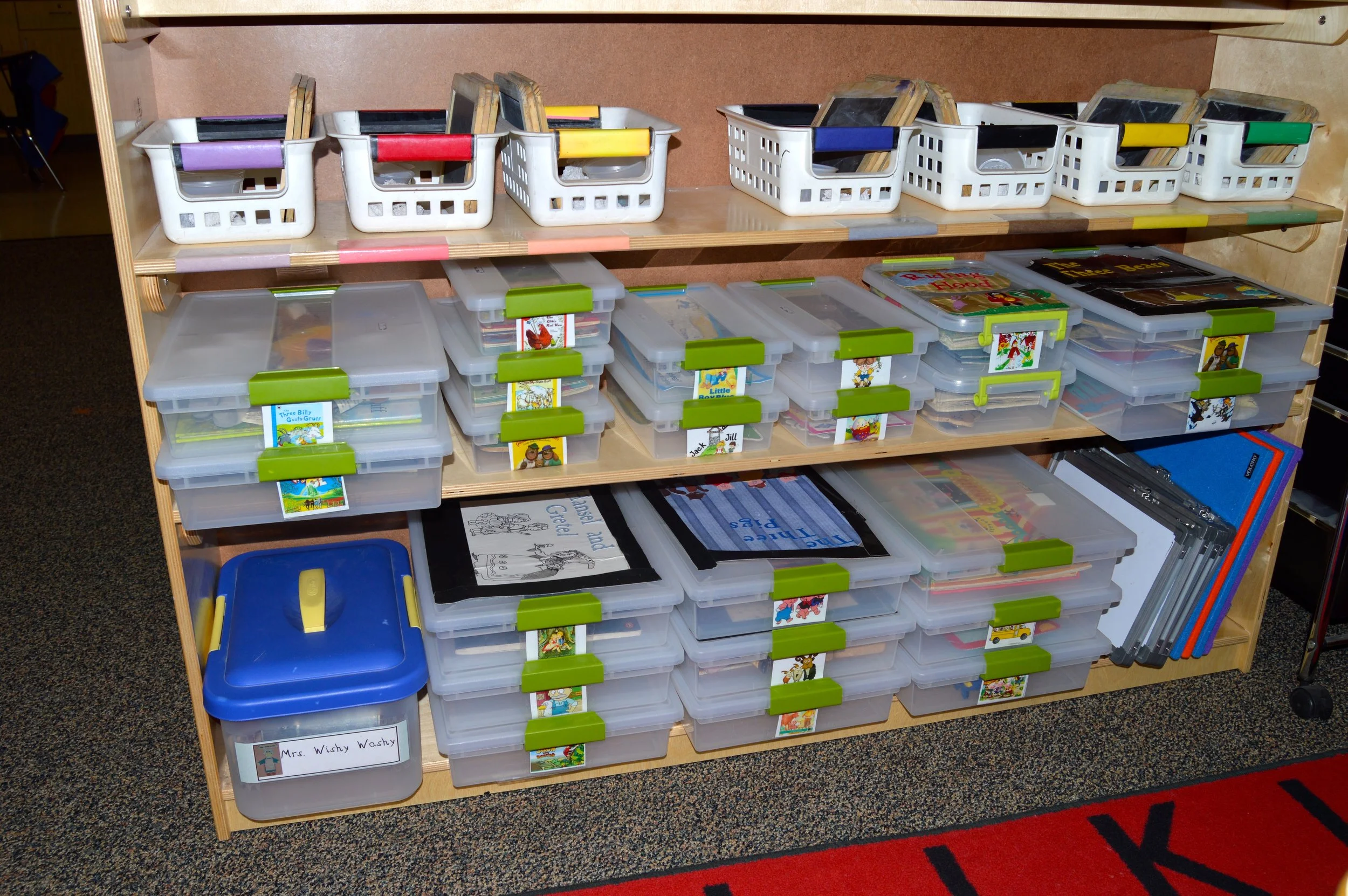
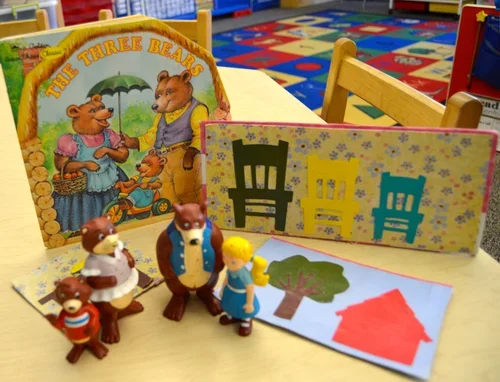
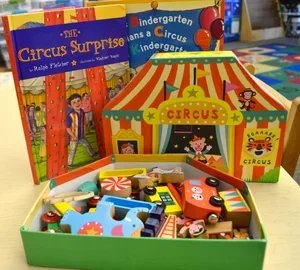
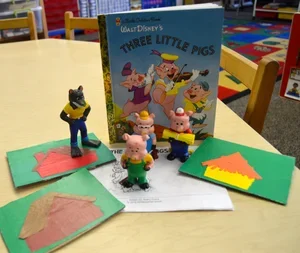
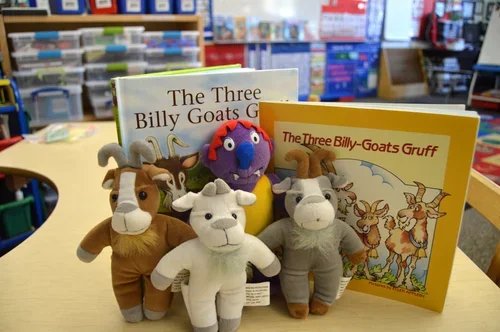
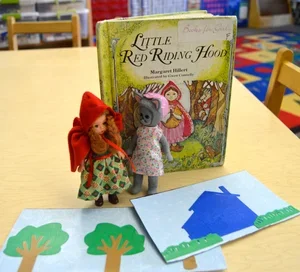
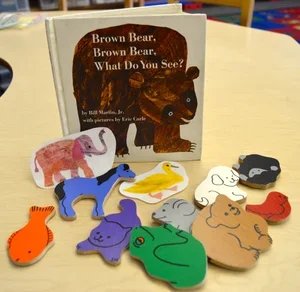
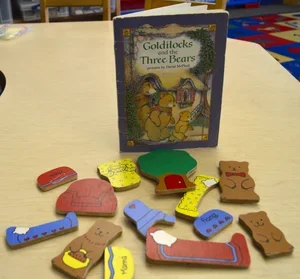
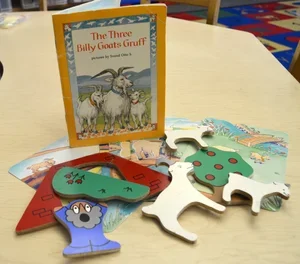
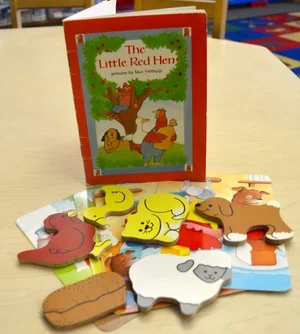
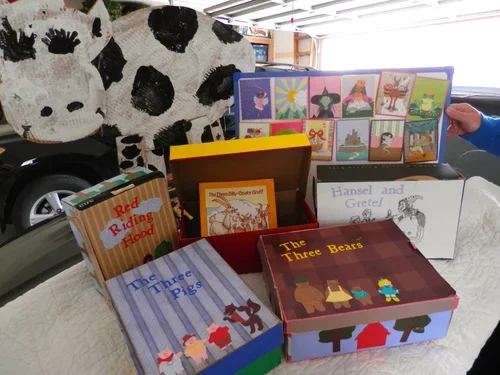
Story boxes bring stories to life through hands-on exploration. By touching and interacting with story elements, children engage more senses, strengthening comprehension, observation skills, and understanding of story structure.
1. Choose a Familiar Story
Start with a story your students know well. Traditional tales like The Three Bears work especially well.
2. Gather the Characters
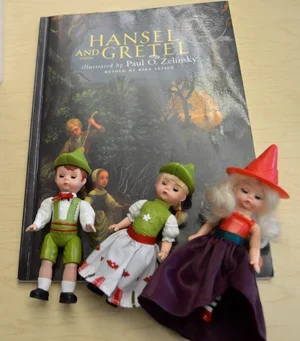
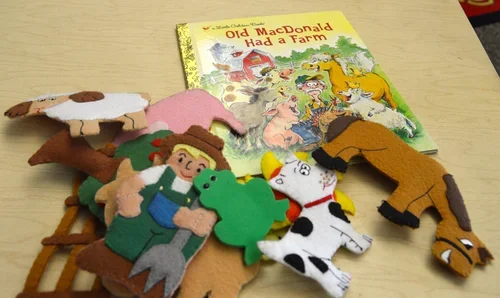
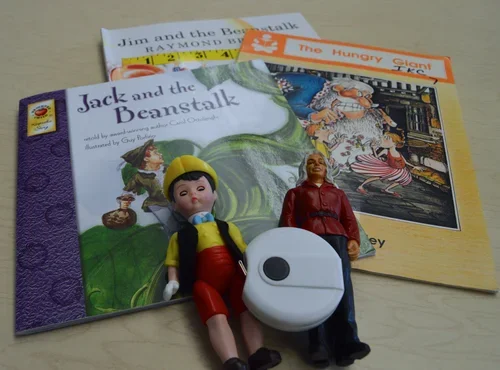
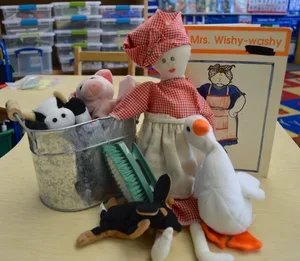
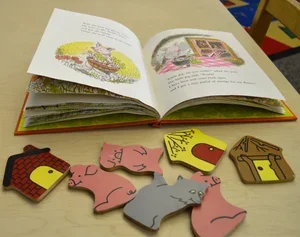
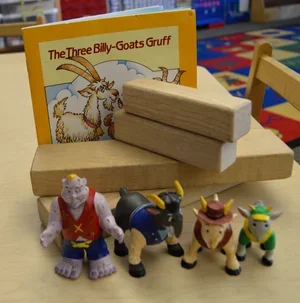
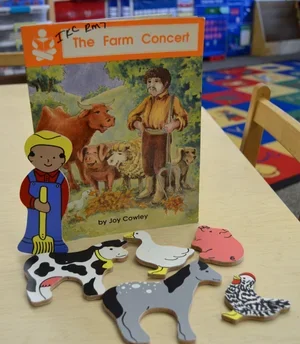
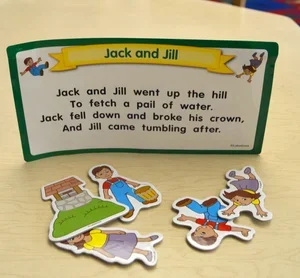
Use whatever you can find—small toys, Beanie Babies, puzzle pieces, or figures from discount stores. You can also make your own using clip art, laminated pictures, or simple crafts made from socks, yarn, or dowels. Teacher stores and online marketplaces like Amazon, Etsy, or eBay are also great sources.
3. Pick a Container
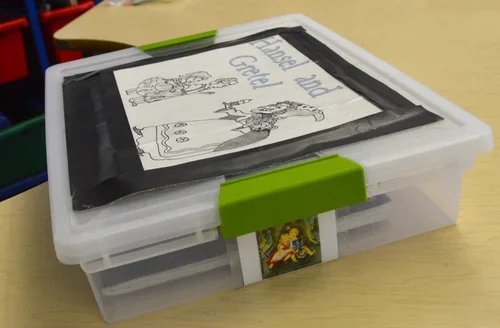
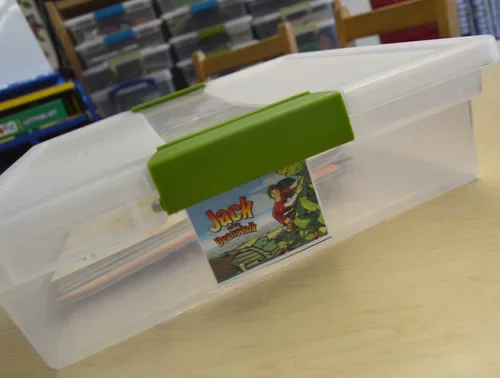
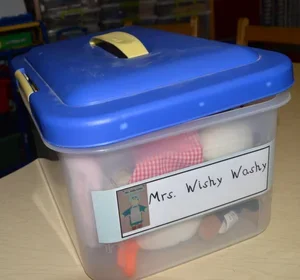
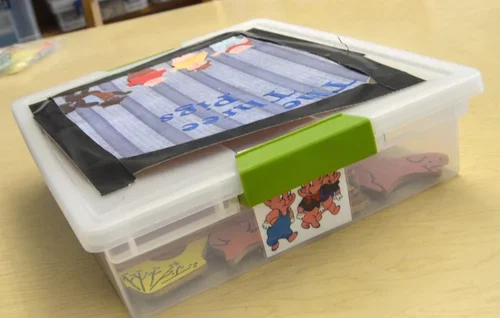
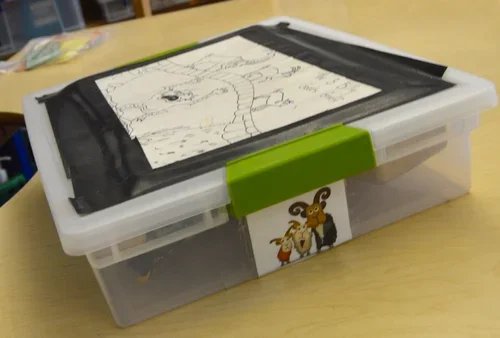
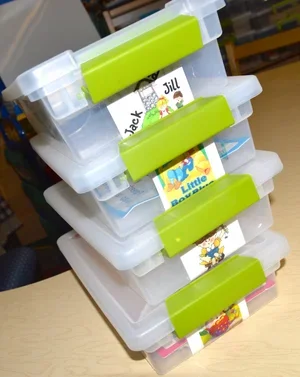
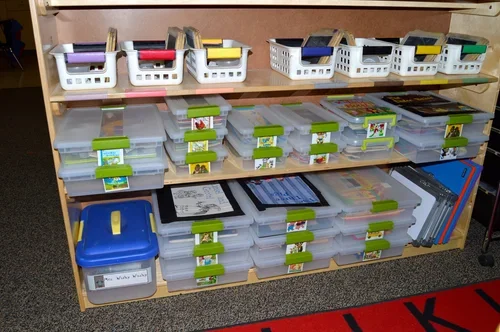
Select a container that keeps everything together. I use stackable plastic containers for easy storage.
4. Label and Fill the Box
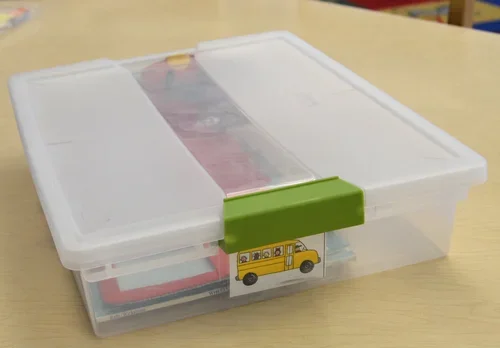
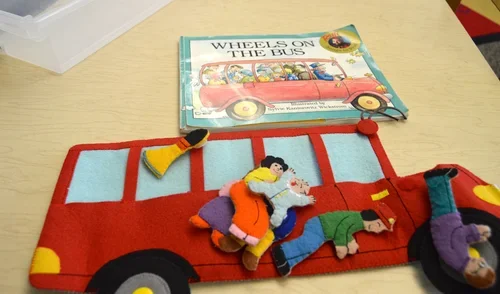
Label the container with a picture of the book or matching clip art. Then add story props—characters and setting pieces like houses, bridges, or trees—so students can retell and explore the story.
Story boxes don’t have to be perfect. Using a variety of simple, found items makes storytelling interactive, engaging, and memorable for young learners.
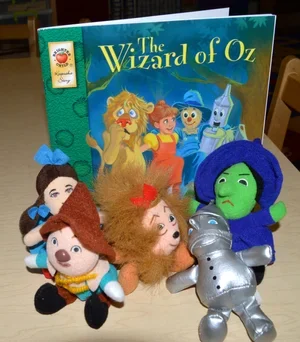
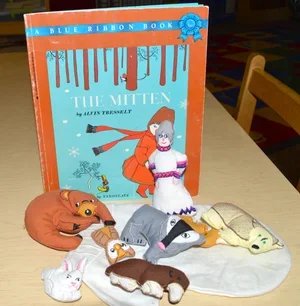
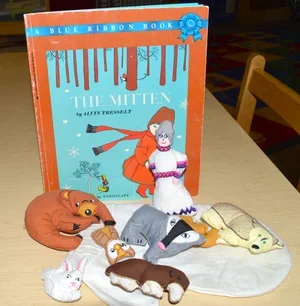
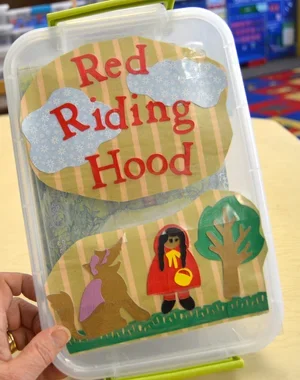
Bring in the Cross-Curricular Authentic Learning

Also available at Teachers Pay Teachers!
Product Description
Folk Tales Thematic Unit is strategically linked to academic Core Standards. Add authentic learning to your curriculum by using this fun unit, starting Giants, Trolls & The Big Bad Wolf! It is divided into areas of literature, music, art, literacy, math, science, creative writing, word wall, and guided reading. The activities are clearly written, easy to use, and need limited amounts of preparation.
Table of Contents
Songs/Fingerplays
This Little Piggy
The Big Bad Wolf
Literacy Activities
Up the Beanstalk: Writing Simple Words
The Three Little Pigs: Decoding CVC Words
Shake Little Piggy: Reading & Writing Sight Words
Big Bad Bingo: Identifying and Matching Consonant Digraphs
Cross The Bridge: Relating Verbs & Adjectives to Opposites
Shared Reading Whole Group Activities:
Identifying Story Elements
Beginning, Middle, End: Story Structure
Math Activities
Measuring-- Tall or Short: Comparing Size By Length
Measuring Giants and Trolls: Comparing Size
Giants, Trolls & Wolves, Oh My! Writing Numerals
Going To Grandma's House: Counting Forward From Any Given Number 1-100
Art Projects
Cooperative Giant
Shape Giant
Billy Goat Hat
Puppets: Story Retelling
Science Projects
The Giant's Eyes: Using Scientific Tools
Writing
Word Wall
If I Met a Giant!
Up the Beanstalk?
The Big Bad Wolf
Guided Reading Books
The Little Pigs

Also available at Teachers Pay Teachers!
Product Description
Strategically teach academic core standards and have a lot of fun as well, using this Fairy Tale thematic unit.
Fairy Tale Activities include:
Shared Reading Activities:
Retelling a Story: Sequencing a Familiar Story
Once Upon a Time: Identifying Story Elements
Literacy Lessons:
My Kingdom: Distinguishing Between Similarly Spelled Words.
Kiss a Frog: Sight Words
Race to the Rose: Decoding Words
Spinning Gold: Counting Syllables
Story Boxes: Retelling Familiar Stories
Digraph Pairs: Identifying Digraphs
Grandma’s House: Writing Simple Words
Math Lessons
Knight School: Making Sums of 10
Climb the Beanstalk: Identifying Missing Numbers
Cinderella’s Shoes: Adding Fluently
Follow the Yellow Brick Road: Comparing and Writing Numbers
Dance All Night: Telling Time
Rapunzel’s Tower: Comparing Measurements
Writing
Fairy Tale Word Wall
Writing Prompts: Fairy Tales, Dragons
Writing Center Activities:
How To, Label It, Make a List
Guided Reading Books
Jack & The Beanstalk
Science
Magic Bean Seeds
Art Projects
Draw a Castle
Castle Construction
Frog Prince Construct
King or Queen Construct
Songs/Fingerplays
Poof! I’m a Giant
Cinderella
Also available at Teachers Pay Teachers!
Product Description
This Castle Thematic Unit featuring fairy tales that include a mix, of princesses, knights, and dragons appeal to all students. The activities are linked to academic core standards and feature cross-curricular learning.
The Princess Party - letter recognition
The Royal Command - letter recognition/sound fluency
Top Knight - high frequency words
My Royal Family - word families
A Castle - guided reader - Level B
The Royal Family - guided reader - Level D
A Knight Fight - comparing numbers/number recognition
Guarding the Castle - adding and subtracting

Also available at Teachers Pay Teachers!
Product Description
The Three Bears Thematic Unit will thrill the students in your classroom or homeschool setting.
Who doesn't love The Three Bears! This thematic unit includes fun and engaging time-tested activities. Most are linked strategically to academic Core Standards.
Contents include:
Shared Reading Lessons
Three Brown Bears: Analyzing Directionality and Word Spelling
Story Element Cards: Analyzing Key Details
Literacy Activities:
A Bowl of Porridge: Naming Letters (Alternate: Decoding Words)
Rhyming Friends: Matching Rhymes
Goldie Comes to Visit: Blending Phonemes into Words
Bear School: Speaking Complete Sentences
Math Activities:
Bear Play: Decomposing Numbers less than 10
Porridge Yum Plus One: Adding one to create a sum that is one larger
Race in the Woods: Comparing Numbers
Sweet Baby Bear: Counting Forward
Three Bear Number Hunt: Writing Numerals to match quantity.
Goldilocks Goes to School: Identifying quantity using Ten-Frames and writing numerals
Art Projects
Three Bear Construct
Goldilocks
Three Bear Puppets
Writing
Three Bear Word Wall
I Can Label It
I Can Write a Story
Writing Prompts:
The Three Bears
Goldilocks
Social Studies
My Family: A Family Home-Connection Sheet
Guided Reading Books
The Three Bears (Two Levels)
Songs/Fingerplays
Goldilocks
Three Brown Bears